

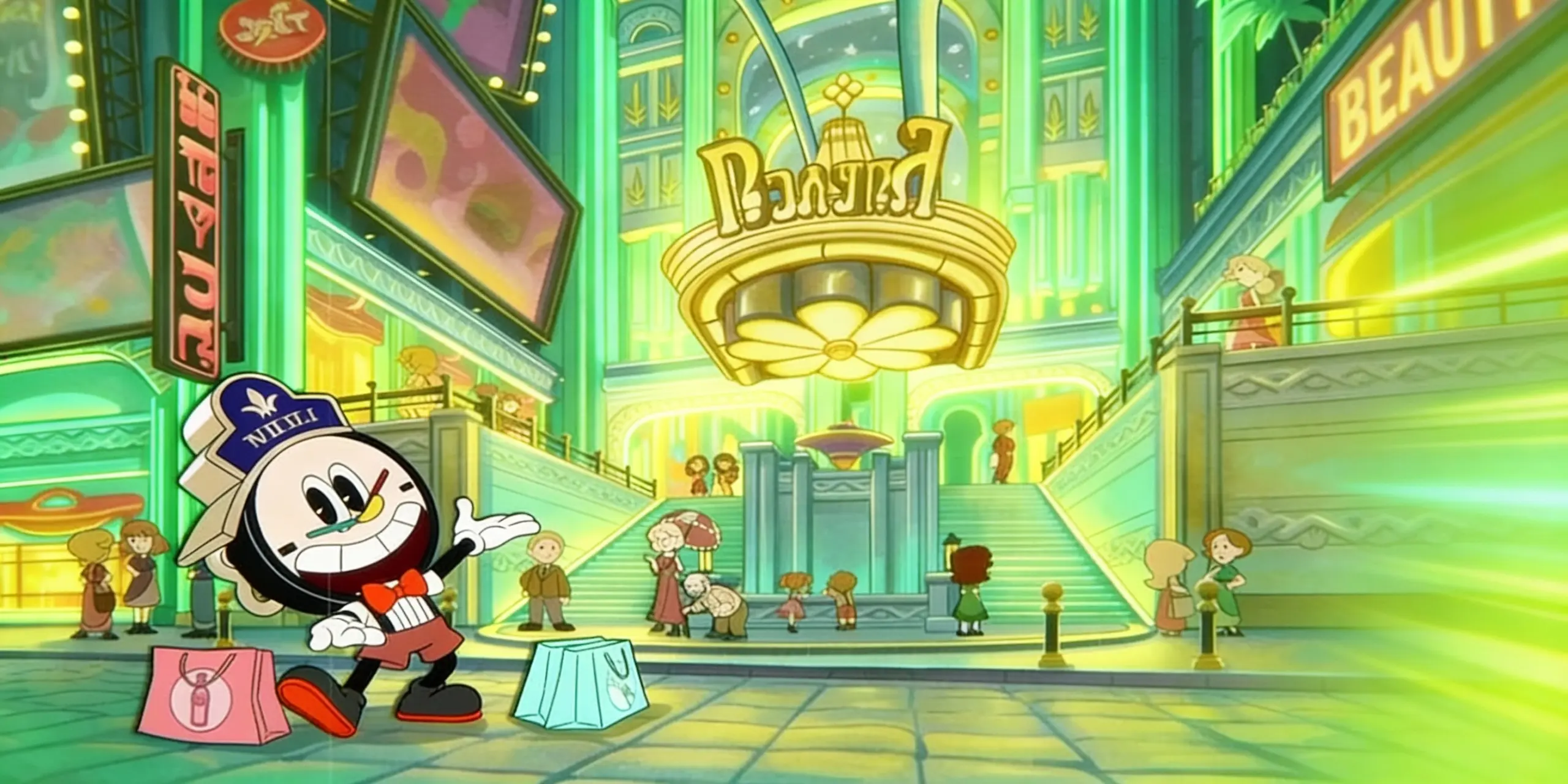
Animations were never smooth or polished. Cartoons were always quirky and playful. Movements brought alive into them.
The rubber hose art style emerged as the secret behind this charm by answering a question: how do we make still lines feel like they are breathing?
The answer is that by bending arms and stretching legs, you can allow motions to tell the story. Animators replaced stiff realism with rhythm and emotions. As modern animation grew more detailed, the core of the early cartoons, such as imaginative and lively, is still found through every frame.
What Is A Rubber Hose Animation?
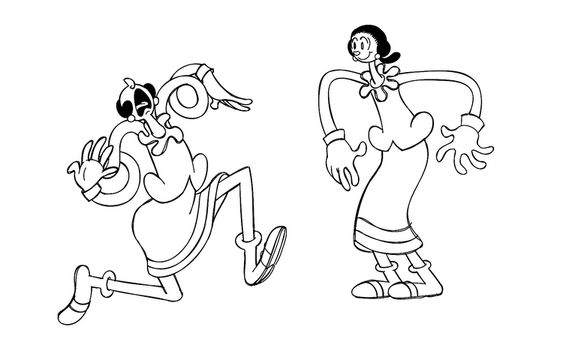
Before we move forward, let’s find out what a rubber hose animation is. The name came from the way limbs appeared on screen. Arms and legs symbolized the flexible rubber pipes. You can blend them smoothly without visible joints. In the rubber hose animation, the characters can twist and stretch without breaking. The goal was not realism but rhythm. Each moment was supported by music and emotions. The rubber hose art style gave animations a magical feel.
The First Rubber Hose Animated Character
Some of the most popular animated characters were born from this style. The rubber hose characters expressed joy and humor with fear and motions. Most of the characters had round heads with big eyes. Their body felt soft and never stayed still. You can feel their emotions through the movements. The design made them easy to animate and instantly recognizable. With time, the rubber hose style characters became symbols of animation’s golden age. They shaped the way the audience understood cartoons and were seen as a source of entertainment.
Rubber Hose Animation Finds Its Way Back
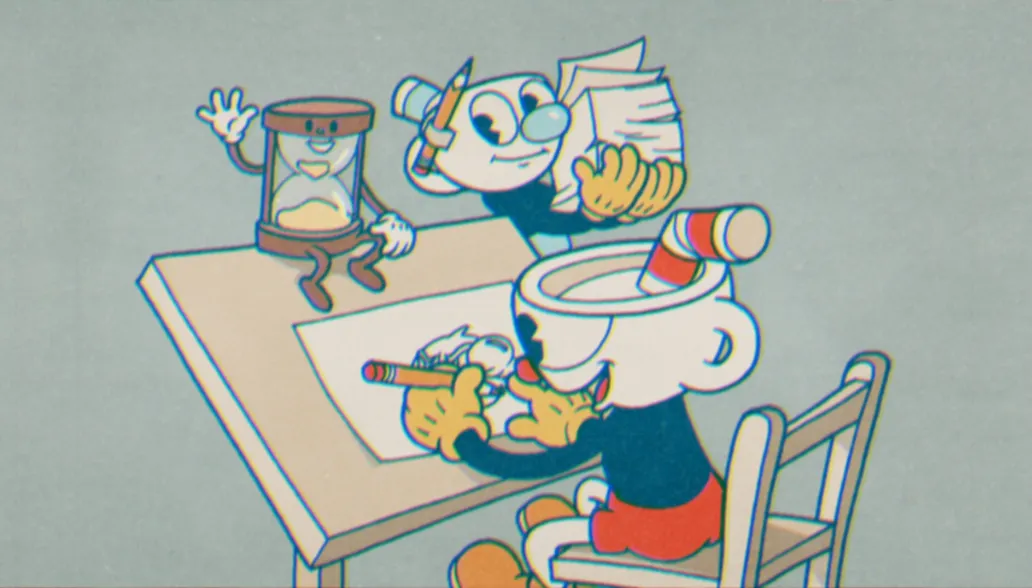
Animators never stopped using it completely. They just stopped noticing their use in the animation industry. Joints appeared, and anatomy became more accurate. Over time, the rubber hose style started to fade from mainstream production. However, it never disappeared. The influence remained in the squash-and-stretch techniques.
Modern animators still use rubber hose animation to understand basic movements. The style became the foundation rather than a trend. Even when unseen, its impact continues to shape animation principles.
The Modern Touch In Still Characters
When animation had no idea how to move naturally, the characters felt rigid and flat. The early artist struggled to make motion believable. With the arrival of the rubber hose style, the issue got resolved. It allowed bodies to flow like soft tubes. Arms could curve, and legs could bounce with no sharp edges to interrupt the movement.
Using this approach, the characters were made expressive without any complex details. This simplicity gave the characters freedom and the animators’ creative edge. The audience could connect emotionally. The rubber hose animation style demonstrated that movement can narrate a story. You don’t need long dialogues or sounds to hook the audience.
The Hidden Visual Rules Behind Its Working
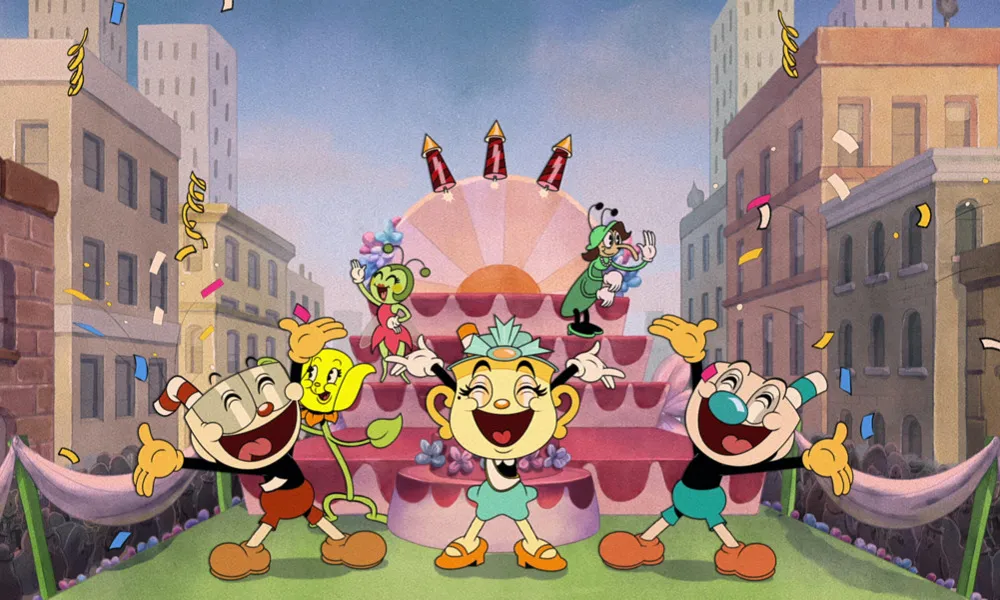
Every art style has certain habits when it is written down. In the rubber hose style, animators rely heavily on curved lines and rounded forms. This is because they feel more natural in motion.
Straight lines are avoided as they make characters look stiff and lifeless. Gloves are added to keep fingers readable, especially during fast movement. Bodies are stretched and compressed to respond to actions.
These choices were never about decoration. They helped viewers to understand what was happening on screen. By stripping away the details, animators allow motions to come forward. This clarity is a big reason rubber hose style characters are still expressive.
The Role Of Music In Rubber Hose Animations
The sounds change everything. With the entry of music in animations, rubber hose animations adapted to this change. Movements matched the rhythms and beats. A tempo was built between the characters and the playlist. The characters felt like they danced to the music.
The flexibility of rubber hose characters allowed animators to turn sound into motion. This connection between the music and movement became the defining feature of early animated films.
Why Do Audiences Love This Style?
It was the energy of the rubber hose art style that connected viewers. Emotions were portrayed through movements rather than facial expressions. When the characters were happy, they bounced. When they were sad, their movement slowed. This emotional clarity made the stories easy to follow. Simplicity was its charm, and the audience did not need anything else to connect. The rubber hose style characters felt alive as they moved.
Rubber Hose Art Style Erases The Gap
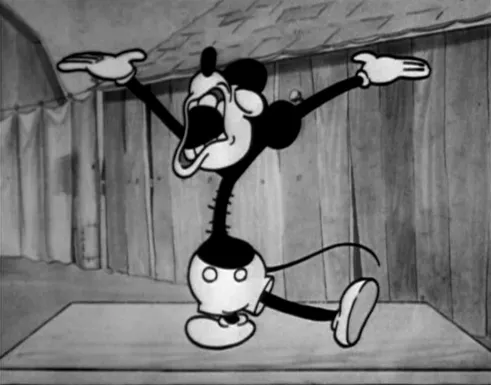
The rubber hose style was more than a design choice that bridged the gap between static art and moving emotions. Animators were taught how motion can replace details. Further, the animators learned that storytelling did not need realism to feel real.
Rubber hose characters became lessons in timing and expression. This approach reshaped the animation education and technique. Even today, learning rubber hose animation is often the first step for artists who study motion design.
FAQs
What is rubber hose animation?
Rubber hose animation is a style where the arms and legs of the characters can bend and stretch like flexible pipes.
Why do we call it a rubber hose?
The way arms and legs look on the screen is similar to a rubber hose.
What makes rubber hose animations special?
It replaced realism with emotions and rhythm. Movements carried the story, allowing characters to express feelings without dialogue.
What were the characteristics of the first rubber hose characters?
Early stars had round heads and big eyes with soft, lively bodies. They were expressive and easy to animate.
What visual roles do animators follow?
Animators rely on curved lines and round forms. They avoid straight lines and use gloves for clarity.
How did the music influence rubber hose animation?
Movements were aligned with the music, and a tempo was established between the characters and the sound. This felt like the characters danced.
Why do audiences still love this style?
Modern animators use it to understand basic movements and expressions. The principle still influences animation.