

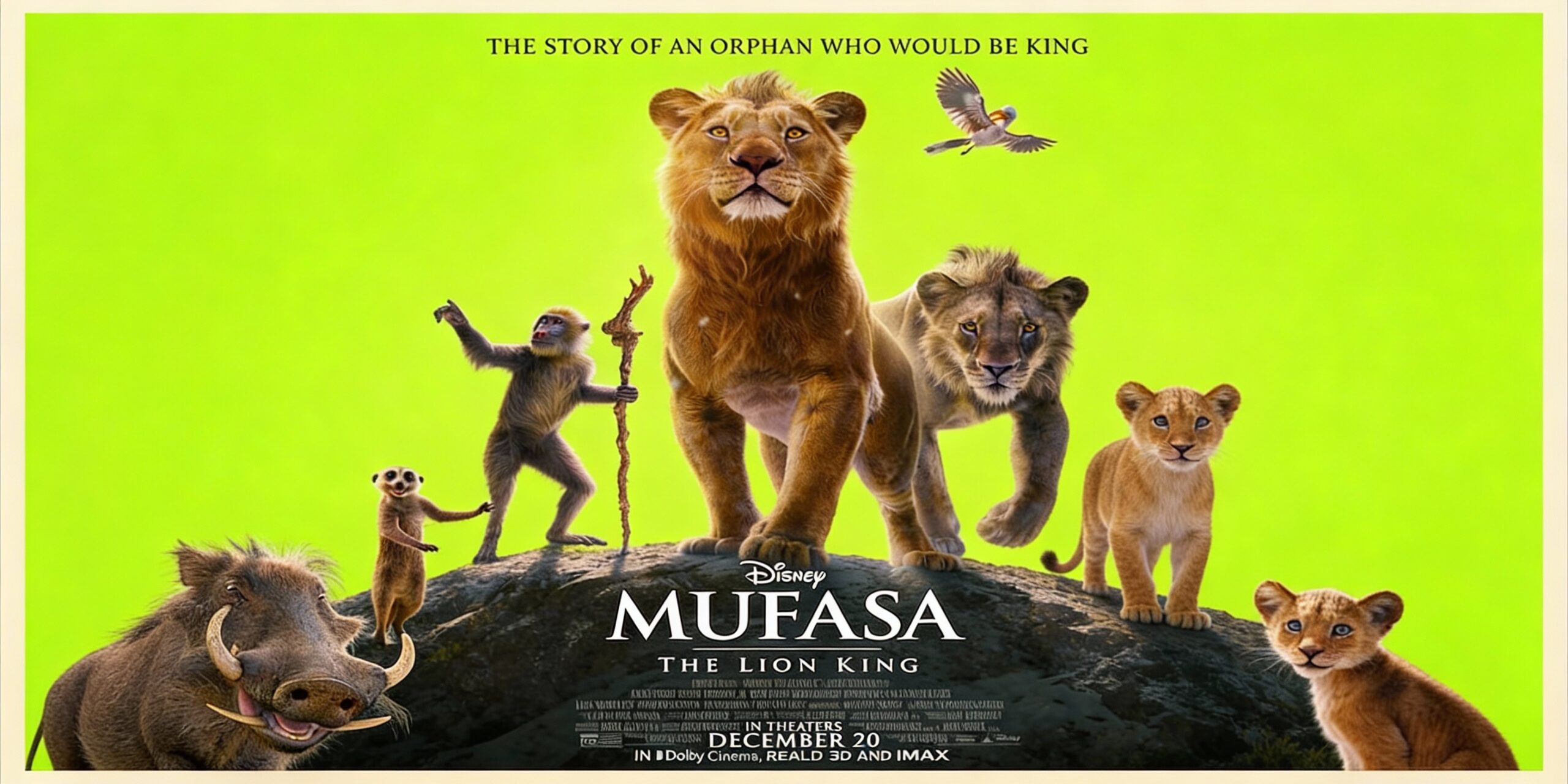
Oscar recognition and family-friendly songs do not guarantee racial neutrality. This is said by three academic critics who argue that contemporary animated films often reproduce White privilege even while celebrating diversity. Natalie Khazaal, Ellen Gorsevski, and Tobias Linné developed what they call the Media Analysis of Racism and Speciesism (MARS) test and used it to examine Oscar-nominated animated features and shorts from 2016 through 2024. They came to a conclusion that many films remain AnthropoScenic, meaning shaped by human hierarchies projected onto animal characters.
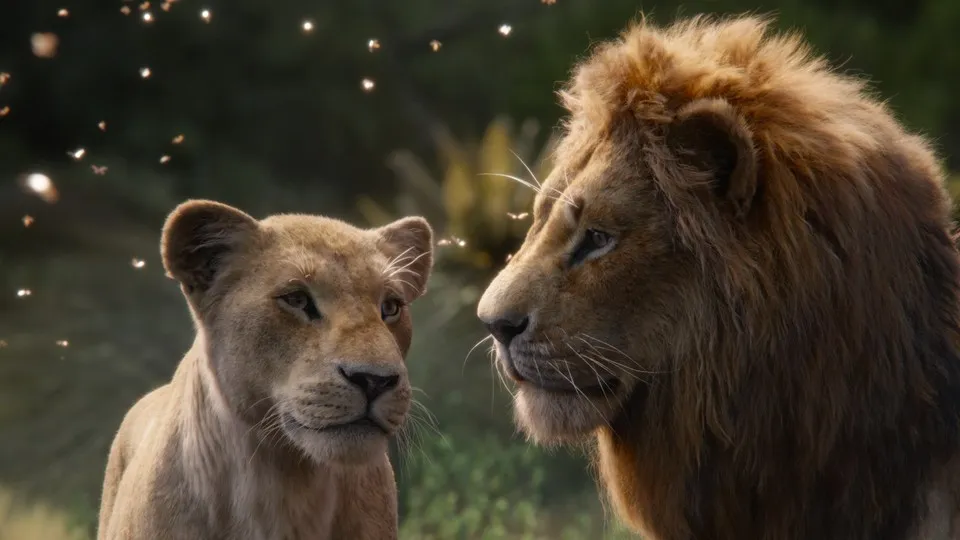
Their paper, being published as part of a Frontiers collection exploring media, racism, and speciesism. They evaluated animation frequently maps racialized human identities onto nonhuman bodies in ways that normalize harmful stereotypes and minimize racial harm, with elevating whiteness as the desirable standard. The authors point to films ranging from The Lion King to Luca and even to some Oscar winners as examples where narrative choices can imply that adopting whiteness or human norms associated with whiteness is the route to acceptance.
The MARS test combines qualitative and quantitative prompts for creators, critics, and viewers. The question is whether a film’s casting or characterization reinforces simplistic racial tropes. The second question states whether nonhuman figures play roles that echo speciesist hierarchies, and whether struggles against racial and species-based oppression are framed as separate or competing. Applying those questions, the researchers report too few examples of transspecies allyship. These are stories where human and nonhuman characters resist interconnected systems of oppression together.
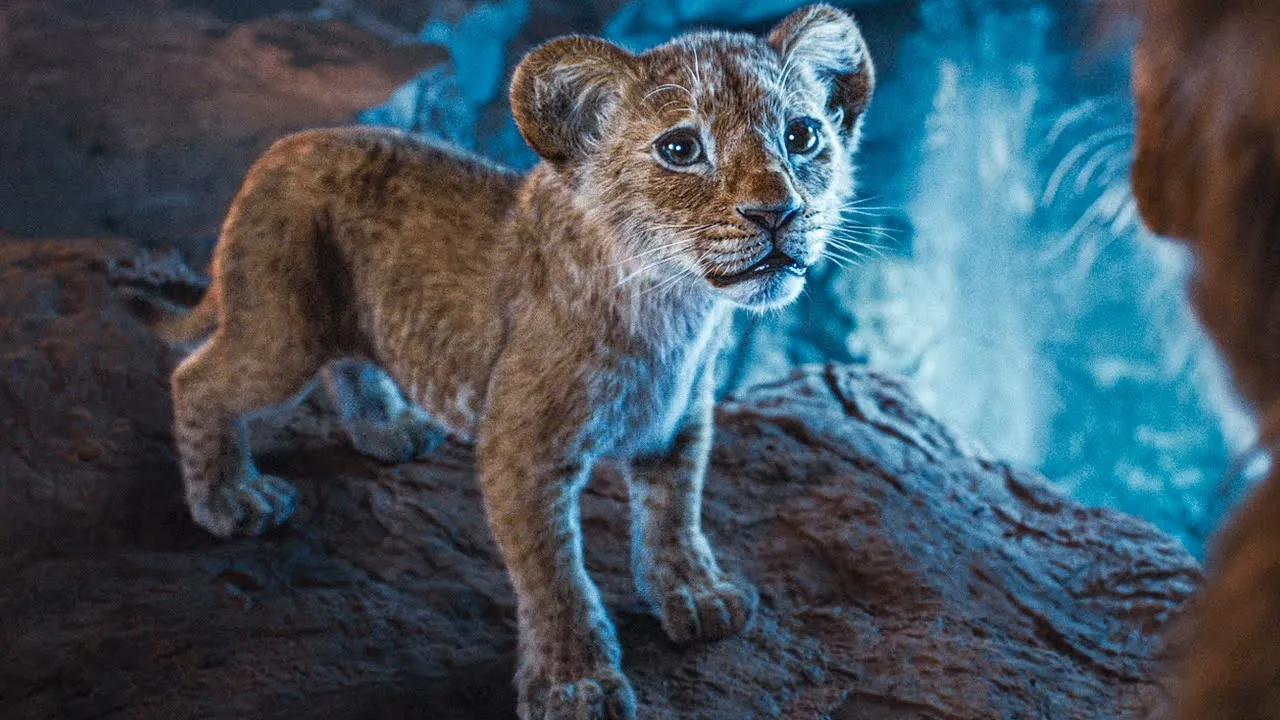
The paper even cites specific scenes to illustrate its point. It questions whether The Lion King’s narrative invites audiences to perceive Black people as inferior to Whites. It notes that Luca frames integration as aligning with whiteness and human form. It even questions whether Spider-Man: Into the Spider-Verse’s comedic treatment of Spider-Ham undermines the significance of Miles Morales’s Black identity. According to the author, those close readings are not attacks on individual filmmakers but efforts to make visible how familiar storytelling moves can carry unresolved cultural baggage.
The paper also makes a broader point about storytelling itself. Films that ask audiences to feel empathy should also reckon with whose experiences are placed at the center and whose are quietly pushed aside. They say the MARS test is meant to help spot those patterns and not to police creativity. However, it is meant to open space for different kinds of stories to emerge.