


There is always confusion between an ice cream and a gelato. On the surface level, they look the same, but on tasting, you can feel the difference. The same goes for anime and animation. Both of them depend on visual illustrations to narrate their stories. Getting confused is nothing exceptional.
Now, think you have stepped into a room with two screens placed side by side. On one of them, a Japanese-style dramatic scene is played. On the other hand, you see colorful traditional cartoons with a lively humour. This contrast reveals the thin yet important line separating the two.
Still confused? Then take a ride deep inside this room. At each step, more distinctions will unfold, and you will clear out your doubts. You will get answers to all the questions popping into your mind.
Understanding The Two Worlds
Before we get to the definitions, it is essential to disclose that anime and animations are not rivals. They belong to different creative traditions. As you go deep inside this room, you will understand what divides them and what occasionally brings them together.
How Can You Define An Anime?
Anime is a style of animation that originated in Japan. You can view them in:
- Frieren: Beyond Journey’s End
- Naruto
- Attack on Titan
- One Piece
- Demon Slayer
How Can You Define An Animation?
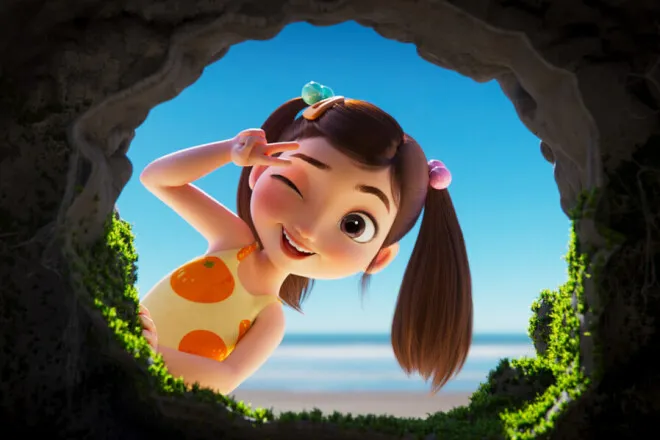
Animation is the broader global category, encompassing every animated work from any country. These are often found in:
- KPop Demon Hunters
- Frozen (Disney)
- Shrek (DreamWorks)
- The Simpsons
- Tom and Jerry
What Is the Difference Between Anime and Animation?
Animation is a broader term that covers no specific genre, while anime is a particular form originating in Japan. Their differences lie in their unique features and narrative ideas. The table below will help you get a better view of the difference between anime and animation.
| Aspect | Animation (General) | Anime (Specific) |
| Scope | Worldwide | Japanese or Japan-inspired |
| Style | Varies by region | Distinct visual identity |
| Target Audience | Family-based | Multi-age, often mature |
| Cultural Influence | Global trends | Japanese values & themes |
| Technique | Full-motion or mixed | Often limited animation |
Going Deeper: Journey From Differences To Misconceptions
With the answer to the difference between anime and animation, another question arises: If we say anime is a kind of animation, why do people mix it with cartoons?
Let’s go deeper inside the room and find a clear answer to this stated question.
Is Anime A Cartoon?
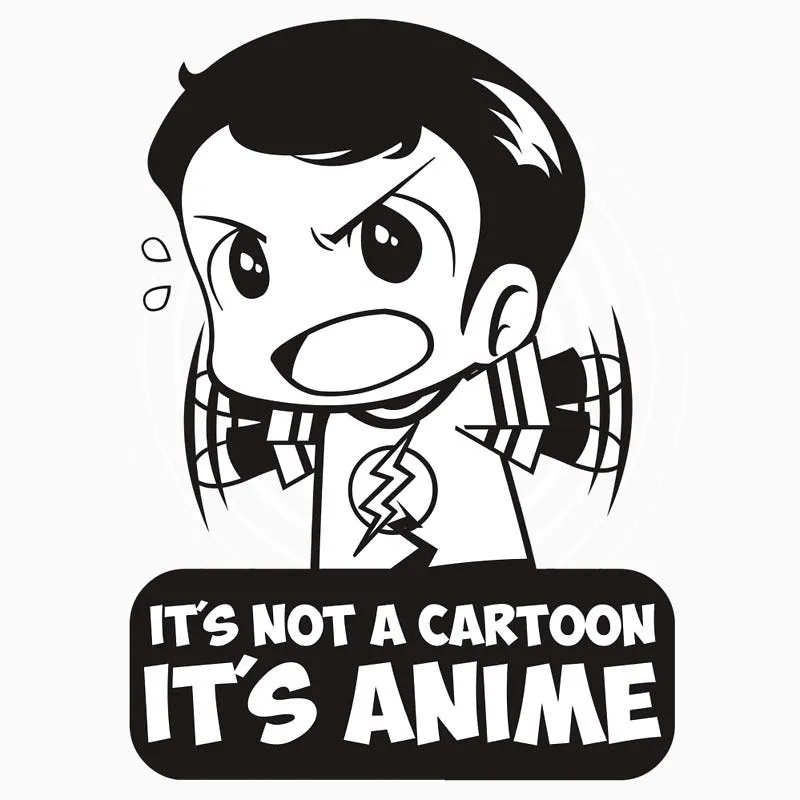
Most of us often say anime is a type of cartoon. But according to a Japanese approach, this is not true. However, both of them depend on drawings brought to life. Anime draws on rich Japanese culture, with unique aesthetics and a distinct storytelling style that sets it apart from Western (traditional) cartoons.
Some of the key differences include:
- Tone and Themes: In anime, you will often find mature topics such as identity, loss, society, or philosophy being covered. Whereas cartoons focus on humour or family-friendly adventures.
- Visual Style: In anime, you will find detailed characters, dramatic expressions, and cinematic framing. In contrast, simple design styles are common in cartoons.
- Audience Range: Most of the anime titles are designed to target adults. Cartoons usually aim for children or family viewing.
- Emotional Intensity: Aime often builds emotional tension and character development more slowly and deeply.
Then, What Is the Difference Between Anime and Cartoons?
The differences between anime and Western (traditional) cartoons lie in multiple factors, including visuals, themes, storytelling, target audiences, and production methods.
| Feature | Anime | Cartoons |
| Visual Style | Detailed, expressive, cinematic | Simple, exaggerated, colourful |
| Themes | Emotional, complex, philosophical | Light-hearted, comedic, family-focused |
| Audience | Teens & adults (mostly) | Children & family |
| Storytelling | Slow, character-driven | Fast-paced, humour-driven |
| Origin | Japan | Worldwide |
What Makes an Anime An Anime?
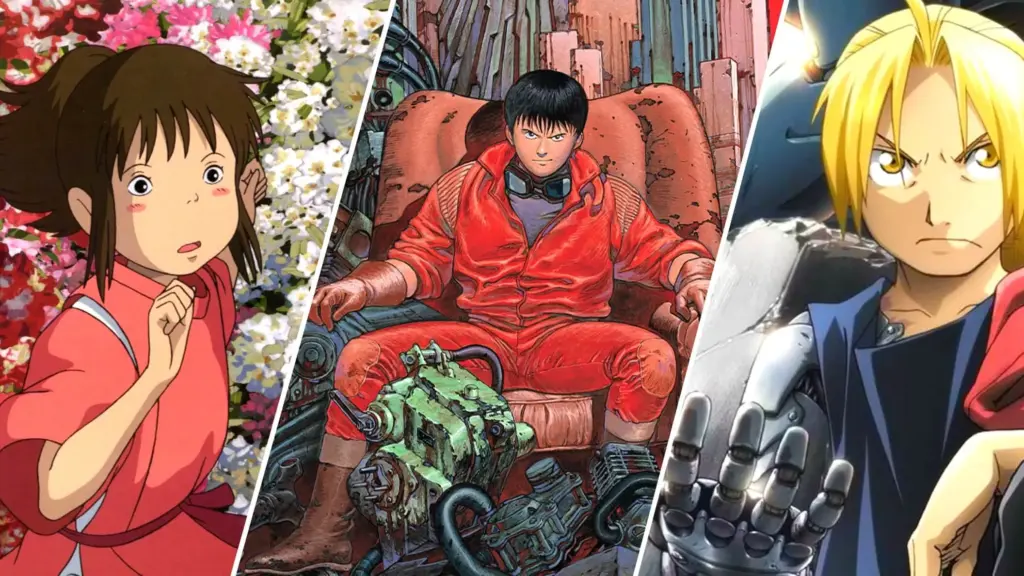
Several elements define anime beyond just being a Japanese cartoon. These are the characteristics that give anime a distinct identity.
- Art Style: The large expressive eyes, sharp outlines, and hairstyles are the recognized features in anime.
- Storytelling: Anime is a blend of slow-burn pacing with emotional storytelling and character-driven plotlines.
- Genre Depth: Be it mecha, slice-of-life, or psychological thrillers, anime covers diverse and layered genres.
- Sound and Music: Theme songs, emotional soundtracks, and Japanese voiceovers are part of anime to create an atmosphere.
Final Comments
We can often confuse anime and animation at first glance, but their differences are deep. Anime differs in its cultural heritage, expressive art, emotional storytelling, and wide range of themes. All these are appealing to adults as much as to young viewers.
On the other hand, animation encompasses every animated creation across the world, from the comedic silent Mr. Bean: The Animated Series to the sophisticated full-length film Frozen. Understanding the difference not only clears confusion but also helps to appreciate the creative diversity behind the forms.
Take your animation design to the next level with Swift Animation. With more than 8 years of experience creating animations, we can help you create something that stands out and hooks the audience’s attention.
Frequently Asked Questions
Is anime and animation the same thing?
Anime is a form of animation. It is the global reach of animation through its artistic style, emotional depth, and cultural influence in games, films, and fashion.
What is special about anime?
Strong narratives, artistic visuals, and diverse genres are among the features that set anime apart.
Is anime considered a cartoon?
A common confusion between anime and cartoons. We can call anime a type of cartoon, but it is closely tied to Japanese culture. Anime are detailed, expressive, and cinematic, whereas cartoons are simple, exaggerated, and colorful.
Can adults watch anime?
There are many anime series created for teens and adults to explore mature themes.